

Kurma Ajwa, typically revered as the "day of the Prophet," differs from various other day selections as a result of its distinct taste and texture. While its special qualities are partly credited to its genetic makeup, the cultivation procedure also plays a vital function fit its final type.
Dirt and Climate: The Foundation of Flavor
The cultivation of Kurma Ajwa is predominantly focused in the Al-Madinah region of Saudi Arabia, an area blessed with specific climatic and soil problems excellent for this day range. The arid climate, identified by high temperatures and low moisture, creates an environment that promotes the growth of sugars and various other compounds liable for Ajwa's abundant flavor. The dirt in the region is commonly sandy and well-drained, enabling optimum origin advancement and nutrient uptake. These ecological variables contribute dramatically to the date's unique taste account.
Pollination: A Delicate Balance
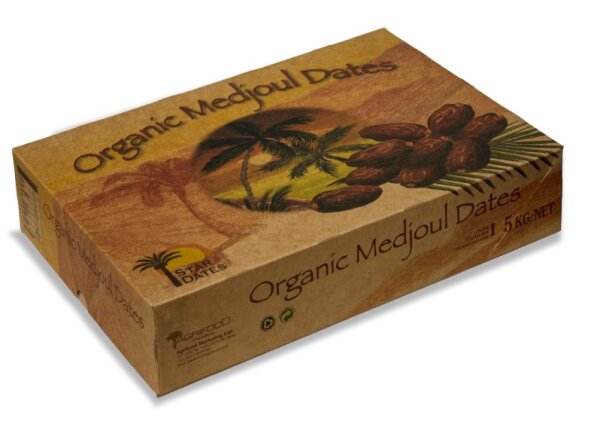
Pollination is a critical stage in the growing of any kind of date selection, and Ajwa is no exception. Standard approaches, such as hand pollination, are frequently utilized to make certain optimum fruit set and quality. blog here of plant pollen from suitable day palm varieties is vital for maintaining the desired features of Ajwa days.
Farming Practices: Supporting Excellence
Several farming practices add to the unique top qualities of Kurma Ajwa :
Trimming: Regular trimming is essential for keeping the health and efficiency of the date palm trees. It includes getting rid of dead or unproductive branches to channel resources in the direction of fruit growth.
Irrigation: While the area is dry, proper irrigation is essential throughout particular development stages. Overwatering or underwatering can adversely affect fruit quality.
Fertilizing: Nutrient management is vital for ideal fruit advancement. Using the ideal equilibrium of plant foods ensures that the date palms receive the required nutrients without jeopardizing soil wellness.
Pest and Illness Administration: Protecting the day hands from bugs and illness is important for maintaining fruit high quality. Integrated bug management techniques are usually used to decrease using damaging chemicals.
Harvesting and Post-Harvest Handling
The timing of the harvest is vital for making the most of the flavor and texture of Ajwa days. The days are generally collected when they reach their full size and develop a deep, rich color. Mindful handling throughout harvesting and transport is important to stop damages and preserve the fruit's quality.
Drying and Handling
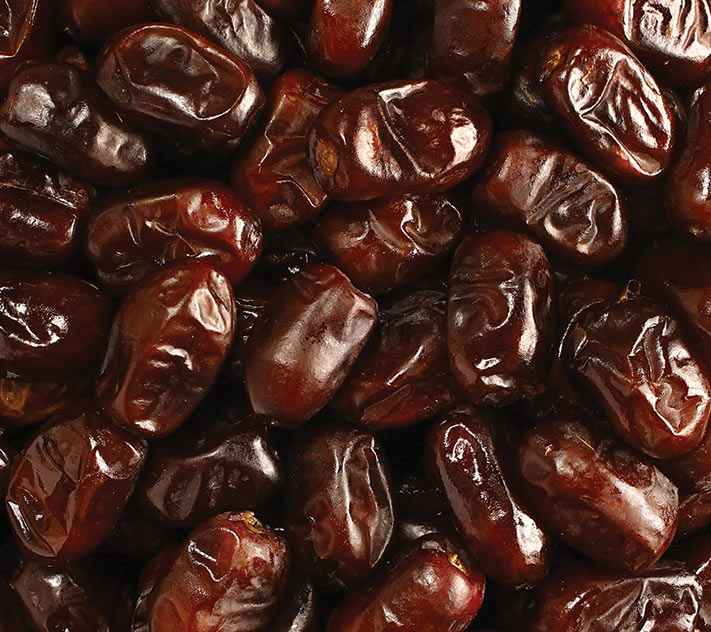
Unlike a few other date varieties, Ajwa dates are usually taken in fresh. Nonetheless, some producers may choose to dry out the days to extend their life span. The drying out procedure involves mindful control of temperature and humidity to protect the date's taste and texture.
The Role of Genetics
While growing methods significantly influence the quality of Kurma Ajwa, it's important to acknowledge the duty of genetics. The unique hereditary make-up of this day variety is the structure for its distinctive qualities. Nonetheless, optimum growing conditions are needed to fully reveal these hereditary characteristics.
Verdict
The growing procedure of Kurma Ajwa is a complicated interplay of ecological variables, farming methods, and genetic make-up. The mix of the arid environment, typical growing methods, and mindful post-harvest handling add to the advancement of the date's special taste and texture. By understanding the variables that influence the farming of this prized fruit, customers can value the craftsmanship and commitment associated with creating top quality Kurma Ajwa.
Inevitably, the cultivation procedure is a testament to the harmonious relationship in between humans and nature, resulting in an item that has been valued for centuries.